
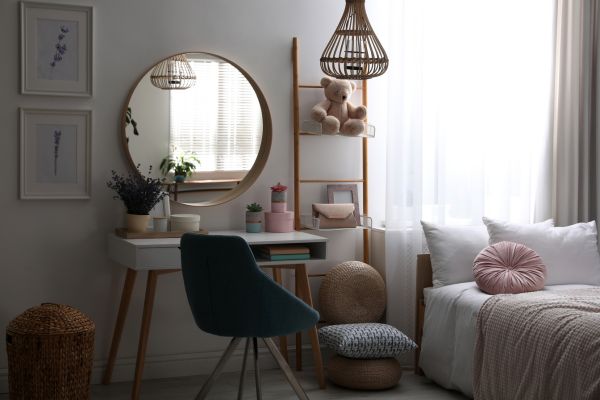
Living in a small home changes the way people think about furniture. Every chair, shelf, or table takes on greater importance because space itself becomes part of daily decision-making. A bulky sofa can make a room feel crowded within minutes, while a thoughtfully designed storage bench can quietly solve several problems at once.
Over the past decade, urban living, rising housing costs, and minimalist design trends have pushed more households toward smaller apartments, compact homes, and multi-purpose spaces. As a result, furniture design has evolved alongside those lifestyle shifts. People are no longer simply looking for attractive pieces. They want furniture that adapts, folds, stores, stacks, expands, or disappears when needed.
The appeal of space-saving furniture ideas goes beyond practicality, though. Well-designed compact spaces often feel calmer and more intentional. There’s less clutter competing for attention and more focus on how a home actually functions day to day.
Small spaces don’t necessarily feel limiting when they’re arranged thoughtfully. In many cases, they feel surprisingly efficient.
Why Multi-Functional Furniture Matters
In larger homes, rooms tend to serve singular purposes. Dining rooms are used for dining. Guest rooms remain mostly untouched between visits. Offices stay separate from living spaces.
Small homes rarely have that luxury.
A living room may double as a workspace during the day and a sleeping area at night. Dining tables become study stations. Bedrooms sometimes function as offices, dressing areas, or reading corners simultaneously.
This is where multi-functional furniture becomes essential rather than optional.
Furniture that serves multiple purposes reduces visual clutter and makes rooms feel more flexible. A sofa bed, for example, transforms a single room into both lounge space and guest accommodation without permanently sacrificing floor area.
Storage ottomans provide seating while hiding blankets, books, or seasonal items. Expandable dining tables adjust according to need instead of occupying unnecessary space all week.
The most effective designs often feel almost invisible in their practicality.
The Growing Popularity of Foldable Furniture
Foldable furniture has existed for generations, but modern designs have become far more refined and aesthetically appealing.
Earlier versions often felt temporary or fragile, associated more with dorm rooms or emergency use. Today’s foldable furniture blends much more naturally into contemporary interiors.
Wall-mounted desks can fold flat when not in use. Drop-leaf dining tables expand during meals and shrink afterward. Foldable chairs now come in materials and finishes that feel intentional rather than purely utilitarian.
These designs work particularly well in studio apartments or compact urban homes where open floor space changes value throughout the day.
What’s interesting is how foldable furniture alters room perception. A room feels larger not only because furniture occupies less space physically, but because movement becomes easier. Clear pathways and visual openness affect how people emotionally experience a space.
The absence of clutter often creates a sense of relief people don’t fully notice until it appears.
Storage Beds and Hidden Compartments
Beds occupy substantial square footage, especially in smaller bedrooms. That’s why storage beds have become one of the most practical solutions for compact living.
Drawers built beneath mattresses provide valuable space for clothing, bedding, shoes, or seasonal storage without adding extra furniture to the room. Some bed frames lift entirely to reveal hidden compartments underneath.
This approach works because it uses space that would otherwise remain empty.
In small homes, hidden storage becomes incredibly valuable. Furniture that conceals everyday items helps maintain visual simplicity, which can make tight spaces feel calmer and more organized.
There’s also a psychological benefit to reducing visible clutter. Rooms tend to feel larger when surfaces remain clear and storage blends naturally into the design rather than competing for attention.
Interestingly, successful small-space living often depends less on owning fewer things and more on storing them intelligently.
Vertical Space Is Often Underused
One of the biggest mistakes in small homes is focusing only on floor space while ignoring vertical potential.
Walls offer enormous storage opportunities when used thoughtfully. Tall shelving units, wall-mounted cabinets, floating shelves, and hanging organizers all help free up ground-level space.
Furniture designers increasingly create pieces that stretch upward instead of outward.
Vertical storage changes how rooms function because it preserves movement areas while still increasing storage capacity. A narrow bookcase reaching toward the ceiling occupies far less floor area than wide horizontal furniture.
At the same time, balance matters.
Overloading walls with heavy shelving can make compact rooms feel cramped or visually overwhelming. The most comfortable spaces usually combine openness with carefully placed storage rather than maximizing every inch aggressively.
Small-space design works best when it feels breathable, not overly engineered.
Modular Furniture and Flexible Living
Modern lifestyles are increasingly fluid. People move more often, work remotely, and rearrange living spaces according to changing routines. Modular furniture reflects that flexibility.
Sectional sofas with movable components, stackable storage systems, and adjustable shelving allow households to adapt layouts over time without replacing entire furniture sets.
This adaptability matters particularly in smaller homes because one room may serve several purposes throughout the week.
A modular seating arrangement can shift for movie nights, work meetings, or overnight guests. Storage systems can expand gradually rather than forcing immediate large-scale purchases.
Flexibility has become part of furniture design itself.
There’s also a practical reality behind this trend. Many people living in smaller homes simply cannot commit to rigid furniture arrangements because their spaces must continuously evolve around changing needs.
Dining Areas in Compact Homes
Dining spaces are often among the first casualties of small-home living. Full-sized dining rooms disappear, replaced by kitchen counters, breakfast nooks, or flexible eating areas.
Still, people continue searching for ways to preserve communal dining experiences, even in compact spaces.
Round tables tend to work particularly well in small rooms because they soften movement flow and reduce sharp visual lines. Expandable tables provide occasional flexibility without permanently consuming extra space.
Bench seating has also become popular because benches slide fully beneath tables when not in use, opening up walkways more effectively than traditional chairs.
Some homes incorporate wall-mounted dining tables that fold away entirely between meals.
The goal usually isn’t recreating large formal dining rooms. It’s finding ways to maintain functionality without overwhelming limited square footage.
Furniture That Creates Visual Space
Not all space-saving furniture works through physical transformation. Some pieces simply create the illusion of openness more effectively.
Glass tables, slim-legged furniture, and open-frame shelving allow light and sightlines to pass through more freely, making rooms feel less crowded.
Low-profile furniture can also help ceilings appear taller, while lighter tones often create a more open visual atmosphere compared to dark, bulky furnishings.
This psychological side of furniture design matters more than people sometimes realize.
A room doesn’t only need to be functional. It also needs to feel comfortable emotionally. Heavy furniture can make small homes feel compressed, even when technically organized well.
Good small-space design balances practicality with visual breathing room.
Home Offices and Compact Workspaces
Remote work has changed furniture priorities significantly in recent years. Many households suddenly needed functional workspaces without adding entire office rooms.
Compact desks, wall-mounted workstations, and convertible furniture emerged as practical solutions.
Some desks now fold into shelving units when closed. Others integrate storage compartments or hidden cable management systems to reduce clutter.
The challenge with home offices in small homes is maintaining separation between work and personal life. Flexible furniture helps create temporary boundaries even when permanent rooms aren’t available.
A workspace that can disappear at the end of the day often makes compact living feel more balanced psychologically.
People tend to relax more easily when work equipment isn’t constantly dominating visible space.
The Emotional Side of Small-Space Living
Furniture choices affect more than organization. They influence mood, stress levels, and how people experience home life emotionally.
Overcrowded rooms often feel mentally exhausting. Constant visual clutter creates subtle tension, even when people don’t consciously recognize it.
Space-saving furniture ideas work partly because they simplify movement and reduce environmental friction. Rooms feel easier to navigate. Cleaning becomes less overwhelming. Daily routines flow more naturally.
This doesn’t mean small homes must look minimalist or sparse. Personality still matters. Warmth, texture, books, artwork, and personal objects all contribute to comfort.
But thoughtful furniture design allows those personal elements to exist without making spaces feel chaotic.
That balance is really the heart of successful compact living.
Conclusion
Space-saving furniture ideas have become increasingly important as homes grow smaller and lifestyles become more flexible. Modern furniture design now focuses not only on appearance, but also on adaptability, hidden storage, and multi-functional use.
The best compact furniture solutions rarely draw attention to themselves. Instead, they quietly improve how spaces function day after day. Foldable tables, storage beds, modular seating, and vertical shelving all help small homes feel more open, organized, and comfortable without sacrificing personality.
Ultimately, successful small-space living isn’t about squeezing as much furniture as possible into limited square footage. It’s about choosing pieces that support everyday life thoughtfully and efficiently.
When furniture works with a space rather than against it, even the smallest home can feel calm, practical, and surprisingly inviting.