
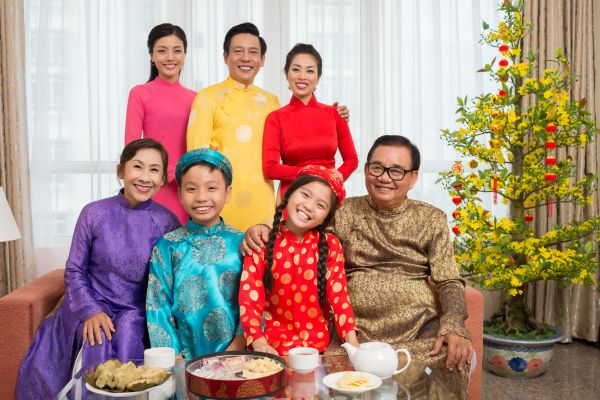
Family traditions have a quiet kind of power. They may look simple from the outside, a Sunday dinner, a bedtime story, a yearly trip, a holiday recipe, or a small birthday ritual that happens the same way every year. But over time, these repeated moments become part of a family’s identity. They give children something familiar to hold onto, help adults feel connected despite busy schedules, and create memories that often last much longer than expensive gifts or perfectly planned events.
Building strong family traditions is not about creating a picture-perfect home or copying what other families do. It is about choosing meaningful habits that reflect your values, your culture, your schedule, and the kind of emotional atmosphere you want your family to remember. The best traditions are not always grand. Many of them are ordinary moments repeated with love.
Why Family Traditions Matter More Than We Realize
Traditions help families feel rooted. In a world where schedules change, technology pulls attention in every direction, and children grow faster than parents expect, traditions provide a sense of stability. They say, in a gentle way, “This is who we are. This is what we do together.”
For children, traditions can create emotional security. A child may not remember every detail of a busy school year, but they may remember that every Friday night was homemade pizza night, or that birthdays always started with breakfast in bed. These rituals become emotional landmarks. They remind children that family life has rhythms, care, and belonging.
For adults, traditions can also be grounding. Parents often carry stress, responsibilities, and endless decisions. A simple family routine can become a pause in the week, a reminder that connection does not always require a big plan. Sometimes it only needs consistency.
Start with What Already Feels Natural
One of the easiest ways to begin building strong family traditions is to notice what your family already enjoys. Traditions do not need to be invented from scratch. Often, they grow out of small habits that are already happening.
Maybe your family tends to make pancakes on slow mornings. Maybe everyone likes watching a movie together at the end of the week. Maybe grandparents tell stories during holiday meals, or the children like helping decorate the house for special occasions. These moments can become traditions simply by giving them a little more attention and repeating them with intention.
The most lasting traditions usually feel natural rather than forced. If everyone dislikes a complicated activity, it will probably fade quickly. But if something brings warmth, laughter, or comfort, it has the potential to become part of the family’s story.
Keep Traditions Simple Enough to Repeat
Many people think traditions need to be big, beautiful, or carefully planned. In reality, simple traditions are often the strongest because they are easier to keep. A tradition that requires too much time, money, or energy may become stressful instead of joyful.
A weekly walk, a family meal, a game night, a shared prayer, a seasonal recipe, or a few minutes of storytelling before bed can all become meaningful traditions. What matters is not how impressive the activity looks. What matters is that the family returns to it again and again.
Simple traditions also survive busy seasons. When life gets hectic, families are more likely to continue small rituals than complicated ones. A ten-minute routine can still create connection. A short conversation at the dinner table can still become a memory. The size of the tradition is less important than the feeling it creates.
Let Traditions Reflect Your Family’s Values
Every family has values, even if they are not always spoken out loud. Some families value faith, hospitality, learning, kindness, humor, service, creativity, or togetherness. Strong traditions often grow from these values.
A family that values kindness might create a tradition of preparing a meal for someone in need during the holidays. A family that values learning might visit the library together every month. A family that values faith might gather for prayer or reflection at a certain time of day. A family that values fun might protect one evening each week for games, jokes, or outdoor play.
When traditions reflect real values, they become more than activities. They teach children what matters. Not through lectures, but through repeated experience. Children learn generosity by seeing it practiced. They learn togetherness by feeling it. They learn gratitude when it becomes part of family conversation.
Make Room for Everyone’s Voice
Family traditions become more meaningful when everyone feels included. Children, even young ones, enjoy having a say in what the family does together. Asking for their ideas can turn a routine into something they feel proud of.
This does not mean every suggestion has to become a tradition. Some ideas may be unrealistic, messy, or too expensive. But inviting input helps children feel that family life is shared, not just arranged by adults. They may suggest a favorite meal, a special song, a yearly photo, a picnic spot, or a small holiday activity.
As children grow older, their interests will change. A tradition that worked when they were little may need to adjust during the teenage years. That is normal. The heart of the tradition can remain, even if the form changes. A bedtime story may become a late-night conversation. A family craft day may become a cooking night. A playground outing may become a family coffee walk.
Balance Consistency with Flexibility
Consistency is what turns an activity into a tradition, but flexibility keeps it alive. Families change. Work schedules shift. Children grow up. Loved ones move away. Life brings seasons that are busy, joyful, difficult, or unpredictable.
A tradition should not become a burden. If the family misses one week or changes the plan one year, that does not mean the tradition has failed. Sometimes the healthiest thing is to adapt. Instead of a full holiday gathering, a family may have a smaller meal. Instead of traveling every year, they may create a home version of the same tradition. Instead of doing something exactly the same way, they may keep the spirit while changing the details.
Strong traditions are steady, but they are not rigid. They leave room for real life.
Honor Old Traditions While Creating New Ones
Many family traditions come from previous generations. Recipes, prayers, stories, celebrations, songs, and customs often carry memories of parents, grandparents, and earlier family life. Keeping some of these traditions alive can help children feel connected to their roots.
At the same time, every family has permission to create new traditions. This is especially important for young families, blended families, families living far from relatives, or families whose schedules and lifestyles are different from the past. You do not have to preserve every old custom to respect your history. You can choose what still feels meaningful and gently release what no longer fits.
Sometimes the most beautiful family culture is a blend of old and new. A traditional meal with a new activity. A holiday custom with a modern twist. A childhood memory recreated in a simpler way. These choices allow family traditions to stay alive instead of becoming frozen in the past.
Turn Ordinary Days into Meaningful Memories
Special occasions are not the only place where traditions belong. Birthdays, holidays, and vacations are wonderful, but ordinary days make up most of family life. That is why small daily or weekly traditions can be so powerful.
A morning goodbye phrase, a Sunday dinner, a monthly family meeting, a bedtime gratitude question, or a regular walk after dinner can become deeply meaningful over time. These ordinary rituals often shape the emotional tone of a home.
Children may grow up and forget many things, but they often remember how home felt. Was there laughter? Was there warmth? Did people listen to each other? Did certain moments make them feel safe and loved? Traditions help answer those questions through repeated experience.
Avoid Comparing Your Traditions to Other Families
It is easy to see other families celebrating in creative or polished ways and feel that your own traditions are too plain. Social media can make this feeling stronger. But family traditions are not a performance. They do not need to impress anyone outside the home.
A tradition that looks simple may be deeply meaningful to the people inside it. A shared cup of tea, a phone call every Sunday, a favorite meal, or a yearly photo in the same spot can carry more emotional weight than an elaborate event.
The goal is not to build traditions that look beautiful to others. The goal is to build traditions that feel true to your family. When the focus stays on connection, the pressure fades.
Protect Time for Connection
One of the hardest parts of building strong family traditions is protecting time. Life gets crowded quickly. Work, school, screens, errands, and social commitments can quietly take over. Traditions need space, even if that space is small.
This may mean choosing one night a week when the family eats together without phones. It may mean setting aside one weekend morning each month for something simple. It may mean saying no to a few outside commitments so family connection does not always come last.
Traditions do not require constant togetherness. Families need independence too. But protected moments of connection remind everyone that relationships matter and that family is not just a group of people sharing a house or a name. It is something actively cared for.
Let Traditions Carry Love Forward
The most lasting traditions are not built in a single day. They grow slowly. At first, a new ritual may feel small or even awkward. But with time, it becomes familiar. Then expected. Then loved. Eventually, it may become something children carry into their own adult lives.
That is the quiet beauty of family traditions. They often outlive the moment in which they began. A recipe becomes a memory of home. A song becomes a reminder of childhood. A yearly gathering becomes proof that people made time for one another. Even after circumstances change, the feeling remains.
Building strong family traditions is really about building a sense of belonging. It is about giving family members something to return to, something to remember, and something to pass on. The traditions do not have to be perfect. They only need to be meaningful, repeated, and filled with care.
Conclusion
Building strong family traditions that last a lifetime is less about planning impressive events and more about creating steady moments of love, connection, and meaning. The best traditions fit naturally into family life, reflect shared values, and leave room for growth as people and circumstances change. Whether it is a weekly meal, a holiday custom, a bedtime ritual, or a simple phrase repeated every day, these small patterns become part of a family’s emotional history. Over time, they teach children where they belong, remind adults what matters, and create memories that continue long after the moment has passed.